Orangettes and citronettes: Valencia orange, Sicilian lemon, and nothing to hide
You bite into it gently at first. The chocolate snaps cleanly, then comes the peel, tender, almost melting, with that hint of bitterness the sugar softens without ever erasing. The orangette is a simple sweet. It forgives nothing. A dry peel, a citrus without perfume, a greasy chocolate, and everything falls apart.
That is why it all begins far from Herstal, under another sun.
The Valencia orange
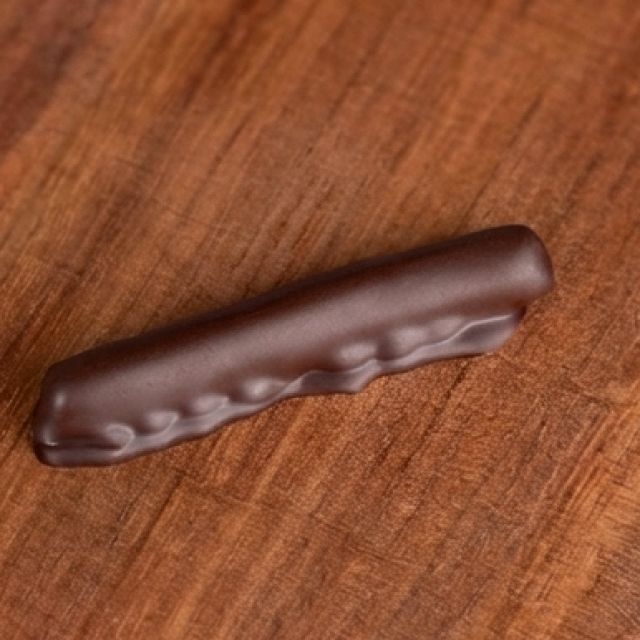
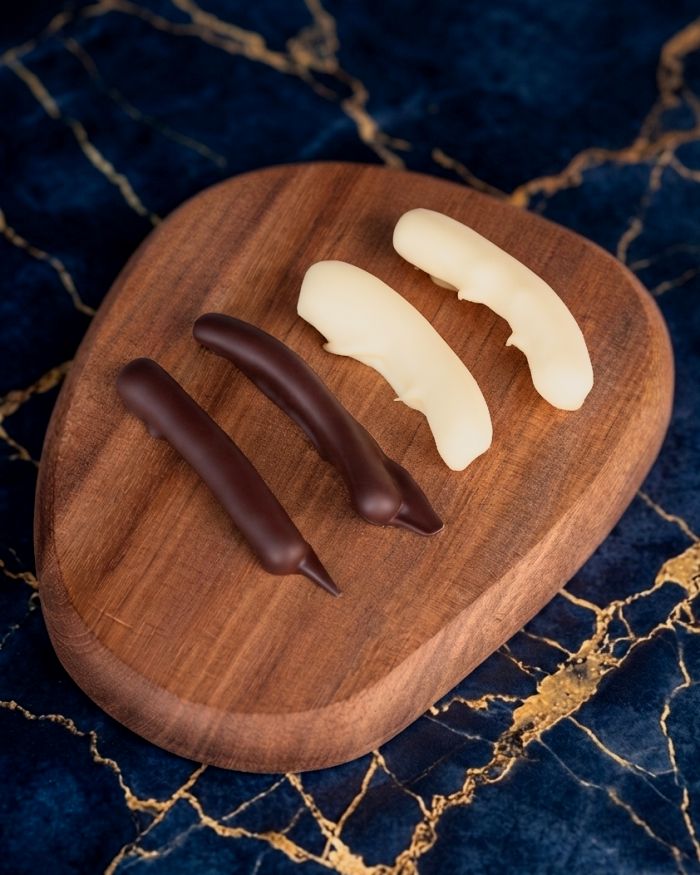
On Spain's Mediterranean coast, the region of Valencia has grown oranges for centuries. Its orchards, between sea and mountains, have made its name a world reference. What matters here is a thick, fleshy peel, rich in essential oils, the kind that perfumes your fingers as soon as you fold it. This is the peel the house chooses for its orangettes, before coating it in dark chocolate.
The Femminello lemon of Syracuse
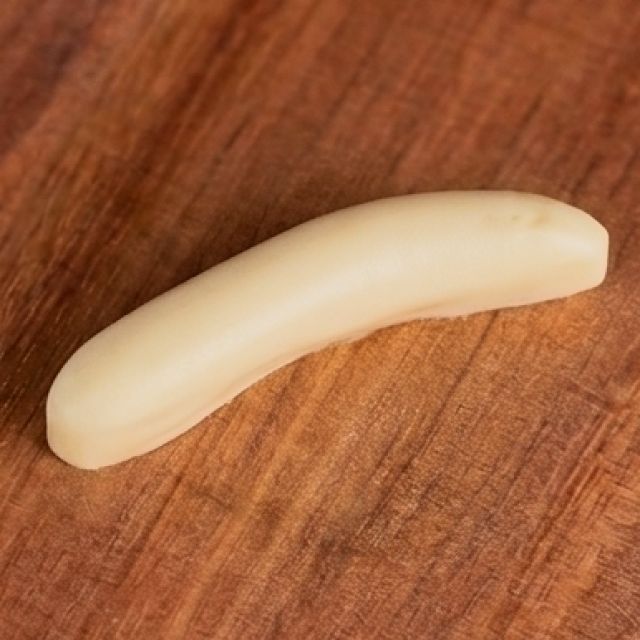
For the citronette, the house chose Sicily, and more precisely the land around Syracuse, in the east of the island. The Femminello Siracusano gives a lemon of rare intensity, protected under the Limone di Siracusa name. Its zest is full of essence, bright and fragrant, with a frank acidity. Coated in white chocolate, it finds its perfect counterpoint: the ivory sweetness answers the bite of the citrus.
The time of candying
A candied peel cannot be rushed. Cut into sticks, it slowly takes in sugar until it becomes supple and translucent, keeping all its perfume. Then comes the coating, made with pure cocoa butter and no vegetable oil. The chocolate must not mask the fruit. It must accompany it, to the very end.
The best, at its source
This standard does not stop at citrus. The pistachio comes from Bronte, at the foot of Mount Etna. The hazelnut is a Tonda Gentile Trilobata from Piedmont. The raisins come from Málaga. The flavours come from essential oils and natural aromas, following the process patented by Denise Courant-Bellefroid, the founder of the house, which also works with its own couverture recipes.
You do not need to tell the story of a faraway plantation to make great chocolate. You need to choose, without compromise, what goes into it, and work it with patience. That is what the Ferme Charlemagne has done since 1974. The peel and the chocolate say the rest better than we can.